





Food is one of the hardest categories to sell with Facebook and Instagram ads, and one of the most rewarding when it works. The average order is small, nobody can taste through a phone screen, and shipping a box of snacks can cost a big share of what the snacks sell for. But food is also bought again and again, and a customer who likes your bar, sauce or coffee may order for years. This guide covers how we approach Meta ads for food, snack and beverage brands selling direct to consumers in the US and Canada: the economics to settle first, the offers that make a first order worth it, the creative angles we test, claims to be careful with, and how to read the results.
Start with the economics of a small basket
A skincare brand might sell a $60 serum. A snack brand often sells a $25 to $40 box. The ad cost to win a new customer is not much lower for food than for skincare, so the margin on the first order is usually thin or negative. That is normal. What matters is whether the numbers work once you count what a customer buys over time.
Before any campaign, we want three numbers on paper:
- Contribution margin per first order, after product cost, packaging, cold packs if you need them, shipping, payment fees, discounts and refunds or replacements for damaged parcels. Our break-even ROAS guide walks through the full cost list.
- Repeat rate and timing. What share of first-time buyers order again within 60 and 90 days, and how many orders a typical customer places in their first year. Your store data has this even if you have never looked.
- The first-order cost you can afford. If you have repeat data, you can decide to pay more than the first-order margin to acquire a customer, as long as the repeat orders pay it back within a period your cash flow can handle. If you have no repeat data yet, assume less, not more.
An illustrative example, not a client's numbers: a $36 box leaves $12 after all variable costs. Break-even on the first order is a $12 cost per purchase, a ROAS of 3.0. If 30% of buyers reorder within 90 days and each reorder leaves another $14, you might accept a first-order cost around $15 to $16, knowing you get the difference back on repeat orders. Run your own numbers; the point is to set the line before the ads run, not after.
Build an offer that makes the first order easy
For food, the offer often matters as much as the ad. A stranger has to risk money on a taste they have never tried. The offers we test most for food and snack brands:
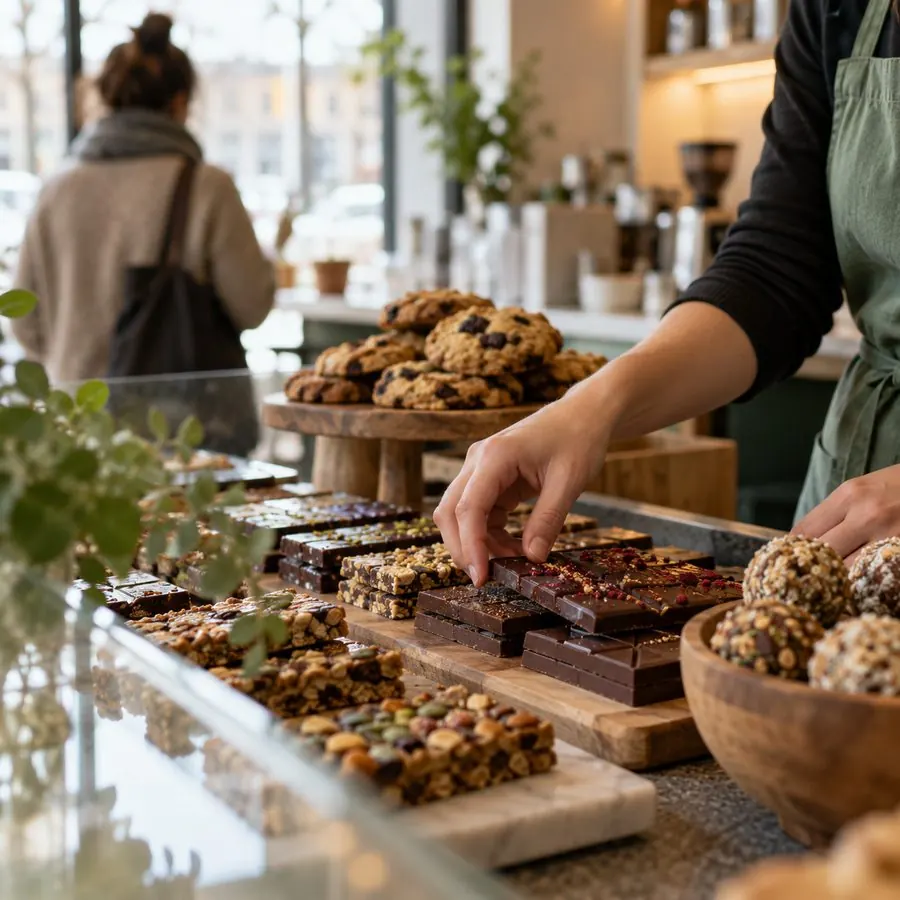
- Sampler or variety pack. Lets a new customer find their favourite flavour without committing to a case of one. It also raises the order value compared with a single item.
- Bundles that clear the free-shipping line. If shipping is free over a threshold, design a bundle that lands just above it. Shoppers hate paying shipping on snacks.
- Subscribe and save. A discount on recurring orders turns one sale into several. Make cancelling easy and say so; hidden subscriptions create chargebacks and angry comments under your ads.
- First-order discount for an email or SMS signup. For lower-intent visitors, collecting a contact and selling later through email often beats forcing a purchase on the first visit.
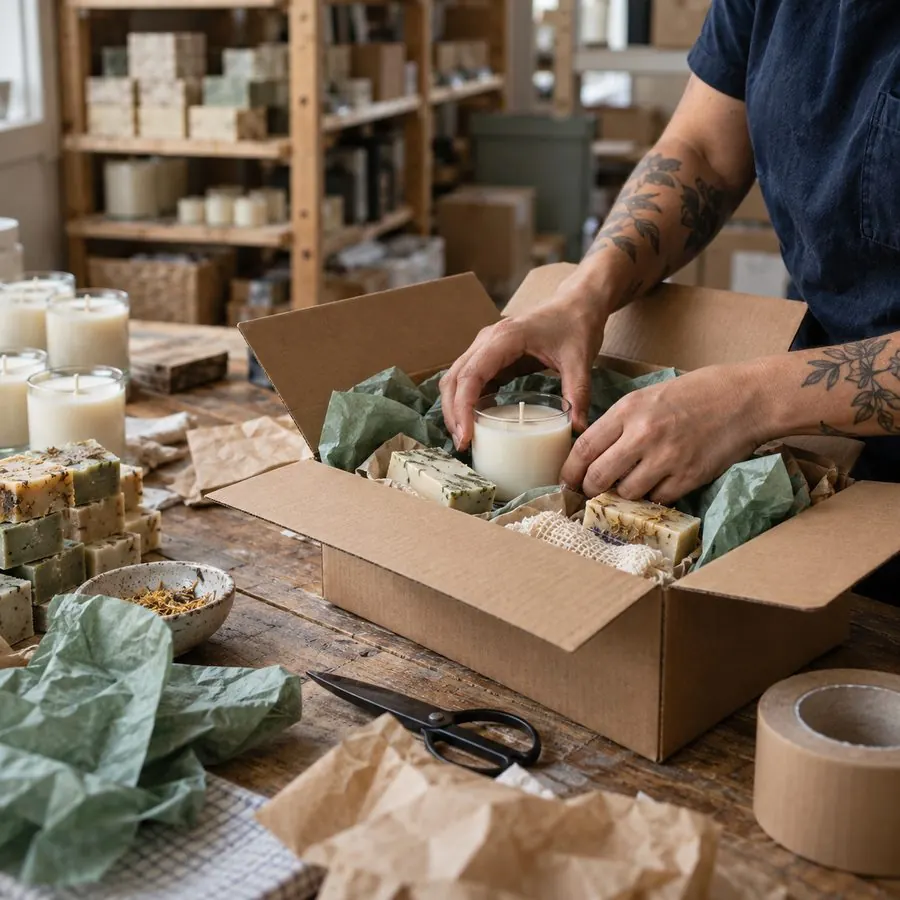
- Gift boxes for the holiday season, corporate gifting and occasions. Gift buyers care less about price per unit and more about presentation and delivery dates.
Lead campaigns can work for food too. For Lifehacker Coffee, a specialty coffee brand, offer-led Meta campaigns brought 180+ leads at €5.52 each. Whether leads or direct purchases make more sense depends on how strong your email follow-up is. If nobody nurtures the list, collect sales instead.
Creative angles that sell food on a screen
People decide in the first second or two whether a food ad is for them. The image has to make them want to eat. Angles we test, usually three or four at once:
- Texture close-up. Breaking a bar, pouring a sauce, steam from a cup, a crunch you can hear. Sound matters on Reels and Stories, so test with audio on.
- The occasion. Where and when the product fits: the 3 p.m. office slump, the gym bag, the kids' lunchbox, the road trip. This helps people picture buying it.
- The swap. "What we eat instead of a candy bar" or "the sauce that replaced our store-bought one." Comparison angles work well for better-for-you products, as long as you do not name or disparage competitors in a way that gets you in trouble.
- Ingredients and how it is made. Short ingredient lists, sourcing, small-batch production. Works best for buyers who read labels.
- Real people tasting it. Customer or creator videos with honest first reactions. Unpolished phone video often beats studio shots in feeds.
- Founder story. Why this product exists, told in 20 seconds. Strong for new brands with no reviews yet.
- Social proof. Star ratings, review quotes, "back in stock" and real numbers of orders, but only if they are true.
Each angle is a separate ad concept, not five colour versions of the same photo. That way the test tells you what message sells, not which background colour Meta preferred that week. Food creatives also tire faster than you expect because the category is visual and repetitive; our creative fatigue guide covers when to refresh.
Selling food or snacks online and not sure the ads pay? Book 30 minutes with Nick. You leave with a concrete 7-day ad test, whether you hire us or not.
Book a free call →Health claims, labels and Meta's rules
Better-for-you food brands run into rules more than most. We are not lawyers, and the rules change, so treat this as a list of things to check rather than advice:
- Nutrition and health claims. Words like "healthy," "high protein," "low sugar" or "keto" can be regulated nutrient content claims in the US (FDA) and in Canada (CFIA and Health Canada), and the definitions differ between the two countries. If your label can say it, your ad usually can, but check claims in the ad against what the label is allowed to say.
- Weight loss. Meta restricts ads that promote weight loss, use before-and-after images or suggest something is wrong with the viewer's body. A protein bar ad that says "lose 10 pounds" will probably be rejected or restricted, and Meta may limit who sees such ads. Focus on taste, energy and convenience instead.
- Allergens and dietary claims. "Gluten-free," "vegan" and "nut-free" carry real risk if a production line handles other ingredients. Use only what you can stand behind.
- Alcohol. Beverage brands with alcohol face extra restrictions on targeting and age, and the rules vary by country and state. Check Meta's current policy before you build anything.
Have someone qualified look at claims before you scale, not after a winning ad gets rejected and you lose its history.
How we structure the first test
Our method is the same as for any e-commerce brand, adjusted for food:
- Tracking first. Pixel plus Conversions API, with purchase value sent correctly and subscription orders tracked. If the first order and subscription renewals look the same in reporting, you cannot see repeat behaviour.
- Seven days, two or three audiences. Usually broad targeting plus one or two interest or lookalike variations. Food has wide appeal, so broad often wins, but we let the test decide.
- Several creative angles from the list above, each with its own ad.
- One clear offer per ad set, so you know whether the sampler or the bundle did the work.
- Judge against your first-order line, not just the ROAS column. Then cut the losers and move budget to winners.
Budget depends on order value and conversion rate, so we do not give one number to every brand. One real reference point: when we launched the first US campaigns for ZoRaw Chocolates, a Canadian keto protein bar brand, the US got its own full funnel, from awareness to repurchase, at $435 a day. If you are a Canadian food brand heading south, our guide to launching a Canadian brand in the US covers duties, shipping and account setup.
Shipping, seasons and stock
Food has problems that a t-shirt brand never thinks about, and they show up in your ad results:
- Heat. Chocolate and some snacks melt in summer transit. If you need cold packs or pause shipping to hot regions, your costs and delivery promise change. Do not scale ads into a heat wave you cannot ship through.
- Shelf life. Short shelf life limits how much stock you can hold. Scaling ads faster than production can keep up leads to backorders and refunds.
- Q4. Gift boxes and holiday bundles can sell well from November, but ad auctions also get more expensive. Plan gift creative and shipping cut-off dates early, and say the cut-off in the ad.
- Retail overlap. If you are also in grocery stores, some people who see your ads will buy in store. Your Meta ROAS will understate the real effect. Watch total revenue and retail sell-through alongside ad reporting.
Reading the results
| What you see | Likely cause | What we do |
|---|---|---|
| Cheap clicks, few purchases | Shipping cost, price or page not convincing | Check free-shipping threshold, bundle and product page first |
| Purchases below first-order break-even | Normal for food in week one | Look at the offer and order value, then repeat data before cutting |
| Good ROAS, few repeat orders | Discount buyers or taste disappointment | Check reviews, reduce discount depth, improve post-purchase email |
| One angle wins clearly | Message fits the buyer | Make new ads on the same angle with new hooks |
| Ads rejected or limited | Health or weight claims | Rewrite around taste and occasion, request review if you disagree |
Once an ad set is clearly above your target, scale gradually, around 20% at a time, and watch the cost per new customer and stock levels together.
Food brand checklist before you spend
- Contribution margin per first order calculated, including cold packs, shipping and damaged parcels.
- Repeat rate checked; maximum first-order cost decided.
- A first-order offer: sampler, bundle over the free-shipping line, or subscription.
- Pixel and Conversions API set up, with subscription orders visible.
- Three or four creative angles, with sound, built for vertical placements.
- Claims checked against your label and Meta's policy.
- Stock and shipping ready for the volume you plan to buy.
More on how we run Meta ads for food, beauty and wellness brands: e-commerce ads.
FAQ
Do Facebook ads work for food brands?
They can, but rarely on the first order alone. Food baskets are small, so most brands profit on repeat orders. Set your affordable first-order cost from margin and repeat rate, then test offers like samplers, bundles and subscriptions.
What ad creative works best for snacks?
Test several angles: texture close-ups with sound, the occasion when people eat it, swaps for less healthy options, real people tasting it and the founder story. Each angle should be its own ad, not a colour variant.
Can I say a snack is healthy or helps weight loss in ads?
Be careful. Nutrient and health claims are regulated in the US and Canada, and Meta restricts weight-loss messages and before-and-after images. Keep ad claims within what your label allows and focus on taste and convenience.
Selling food or snacks online and not sure the ads pay? Book 30 minutes with Nick. You leave with a concrete 7-day ad test, whether you hire us or not.
Book a free call →Keep reading
- All e-commerce guides →
- How we run e-commerce ads →
- Hiring an ads agency vs running ads yourself
- Facebook ads for e-commerce in 2026: the testing playbook
- How to scale Facebook ads without killing performance
- Case studies with real numbers
- We also run real estate ads →
- We also run local business ads →
More e-commerce guides
- Creative fatigue: when to refresh your Meta ads
- TikTok ads for small e-commerce brands: a starter playbook
- Meta pixel + Conversions API: why ROAS lies without it
- Launching a Canadian brand in the US with paid ads
- Break-even ROAS: the number to know before you spend
- Meta ads for beauty and hair-care brands
- Meta Advantage+ sales campaigns: when to use them and when not
- How big should your first ad test budget be?